

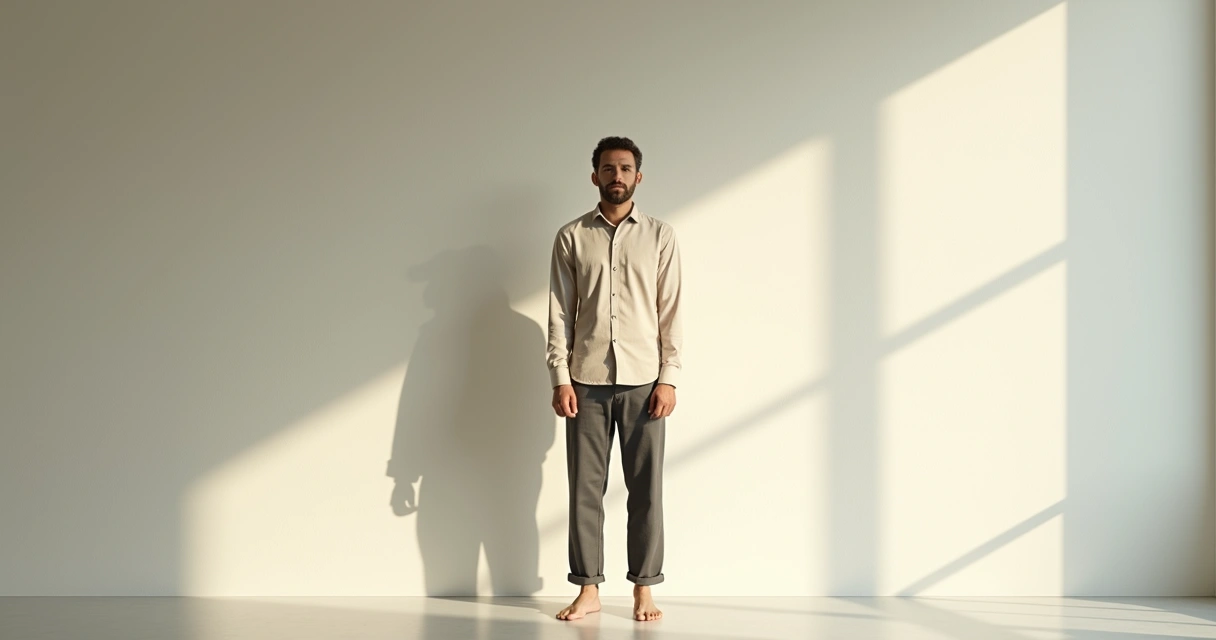
We have all walked into a room and felt the mood shift before anyone says a word. Sometimes, it is in the way someone stands, the angle of their head, or the tension in their shoulders. Our posture does more than keep us upright – it is a silent language that speaks even when we want to stay silent. For many, these small details are easy to overlook, yet, minute adjustments in how we carry ourselves can rewrite the way we are perceived.
How posture shapes the silent conversation
When we speak of communication, words might seem king. But in our experience, what is left unsaid lingers louder. Our posture, often molded by habit or mood, gives away much about our internal state. Arms crossed tightly against the chest can signal defense or discomfort, while relaxed shoulders and open hands say, “I am comfortable.” Rarely do we notice we are sending out these messages, yet those around us read them instantly.
Our body tells the truth even when we stay silent.
We have seen how people in meetings often sit up tall when they wish to project confidence, but when they feel uncertain, the spine curves, and eyes drop. These small signals can determine the flow of conversation, who gets heard, and who gets dismissed.
Unconscious patterns behind our posture
Most of us do not wake up in the morning deciding to hunch, stand tall, or make ourselves small. Instead, our posture emerges out of patterns shaped by emotion, environment, and memory. Sometimes, our body “remembers” stress or fear and tenses up, even before our mind can catch up.
Scientifically, our nervous system plays a big part in this dance. When we feel threatened, our bodies shrink, attempting to become less noticeable. When we feel safe and accepted, our bodies relax and expand. These changes happen quickly and rarely enter conscious thought.
- The nervous system reacts to stress by tightening muscles.
- Posture shifts can mirror emotions: anxiety, comfort, or authority.
- Repeated experiences create habitual postures, often unnoticed.
We think these patterns are a window into the emotional states we experience. Over time, chronic stress or insecurity can leave an imprint on our habitual posture.
Connection between posture and presence
Presence is not just about being physically near others. We believe that true presence is felt when someone’s body and mind align. When a leader steps into a room upright, relaxed, and at ease, the team feels it. The posture enhances the message, showing confidence and openness, whether or not those words are spoken aloud.

When posture and intention work together, communication deepens. Even without speaking, a person sitting upright and making soft eye contact can signal: “I am engaged, and I value this exchange.” In contrast, someone slouched with arms wrapped around their torso may unknowingly communicate detachment.
Many times, we have seen how posture shifts can invite or close off dialogue in simple daily interactions.
Where your body is, your message follows.
Why posture impacts relationships and decision-making
It is common to focus on logic or words during decision-making, but posture says more than we often realize. Within relationships, how people hold themselves impacts trust, safety, and even creativity. People tend to feel more at ease with those whose posture signals openness and balance. This is because our brains pick up on these cues, confirming or contradicting what is heard out loud.
In our experience, teams led by individuals who are attentive to their body language and posture report feeling more heard and respected. The whole environment shifts when one person, especially in a position of influence, consciously relaxes their shoulders or meets eyes gently.
- People mirror posture unconsciously, strengthening connection.
- Open postures help to lower social defenses, making space for collaboration.
- Tense or closed stances can trigger unease, impacting group decisions.
These effects ripple outward. An individual’s internal balance is echoed in collective interactions. In our work, we have seen this play out again and again – one person’s conscious presence inspires a healthier tone for everyone nearby.
How to become aware of your own posture
Often, we do not realize what signals our bodies are sending. Raising awareness is the first step. We recommend a few simple practices:
- Pause occasionally and scan your body for tension.
- Notice where your feet are, how your shoulders sit, and how your breath flows.
- Ask yourself quietly: “Does my posture match what I am trying to say?”
A gentle reset – rolling shoulders, opening the chest, planting feet symmetrically – can bring you back into alignment with your intention. Over time, these pauses retrain both body and mind.

It is not about holding the “right” pose at all times but about checking in and making small corrections as needed. The key is to let the body reflect your truest intention.
What happens when posture shifts intentionally?
Small intentional changes can lead to large changes in how others respond. If you straighten your back, relax your jaw, and make direct but comfortable eye contact, those around you may start to relax as well. Posture can “set the tone” for a room.
In our experience, these changes can also help shift internal states. Sometimes, sitting with confidence helps us feel more certain, even if the feeling was not there at the start. There is a feedback loop: posture informs mind, mind informs posture. Being mindful of body language leads to conscious, responsive communication.
Change your posture, and you may just change your outcome.
Conclusion: Posture, communication, and conscious impact
In everything we have shared and observed, posture is far more than a habit or a matter of physical comfort. It is the very foundation upon which we build our unspoken communication. The relationship between body posture and unconscious messages shapes how we relate, how decisions are made, and even how we see ourselves.
When we bring awareness to how we sit, stand, and move, we open up new pathways for authentic exchange. We become not only more attuned to ourselves but to those around us. In this, the silent conversation becomes one of understanding and connection.
Sometimes, the most powerful communication is carried quietly in the way we hold ourselves. By paying attention to this, we invite a deeper, truer dialogue in every space we enter.
Frequently asked questions
What is unconscious communication in body language?
Unconscious communication in body language refers to signals we send through posture, movement, and expression without realizing it. These signs often reveal feelings and attitudes that might not match what we are saying out loud. Others sense and respond to these signals whether or not we intend to send them.
How does posture affect nonverbal cues?
Posture shapes the way others see us and what information they gather without words. An open, upright posture signals confidence and interest, while closed, tense positions can indicate discomfort, stress, or reluctance. These cues often guide the responses and perceptions of those around us.
Can posture improve my communication skills?
Yes, adjusting posture can support better communication. When our bodies project presence and openness, our words are more likely to be heard and trusted. Growing aware of habitual postures and shifting them gently can change the energy in a conversation.
What are examples of good body posture?
Good body posture usually means standing with feet hip-width apart, shoulders relaxed and back, chin parallel to the ground, and arms by your side or gently open. Sitting, it means keeping your feet flat, spine straight, and shoulders down, with hands resting naturally. This posture reads as engaged, comfortable, and ready for connection.
How can I practice better posture daily?
You can practice better posture by checking in with your body throughout the day. Simple actions like rolling your shoulders, taking slow breaths, and sitting or standing tall can help. Setting reminders to stretch or notice your posture during routine activities can also make a difference. Small adjustments, repeated often, can lead to lasting change.