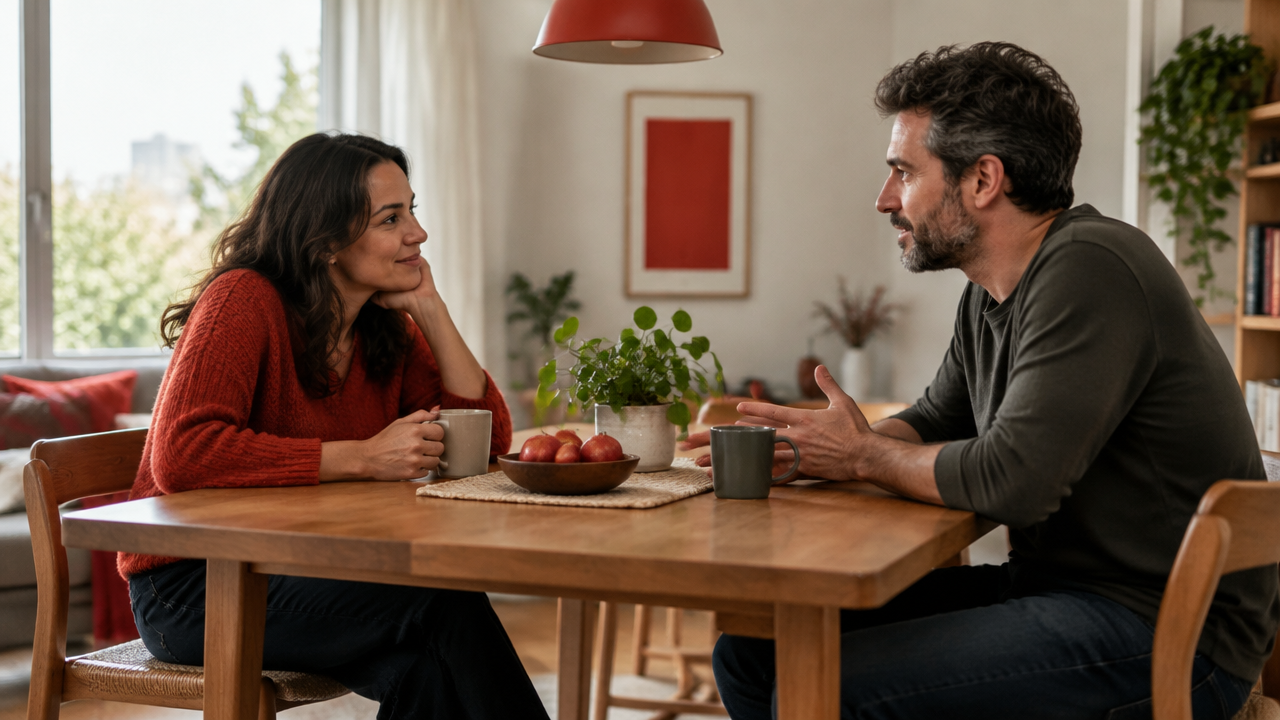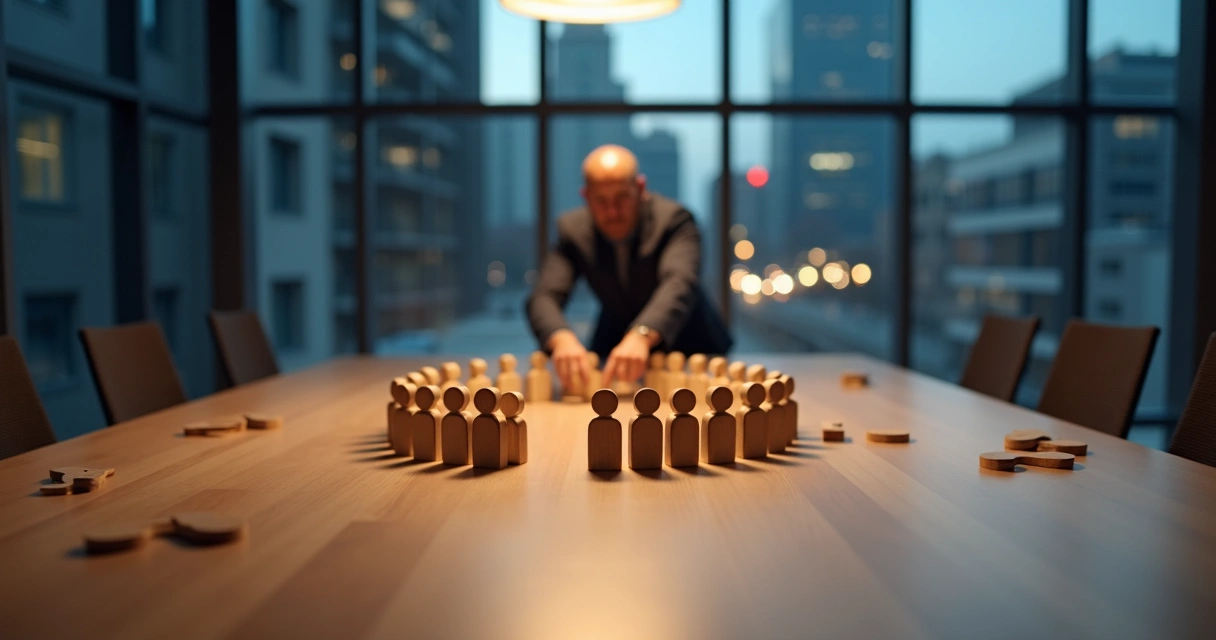

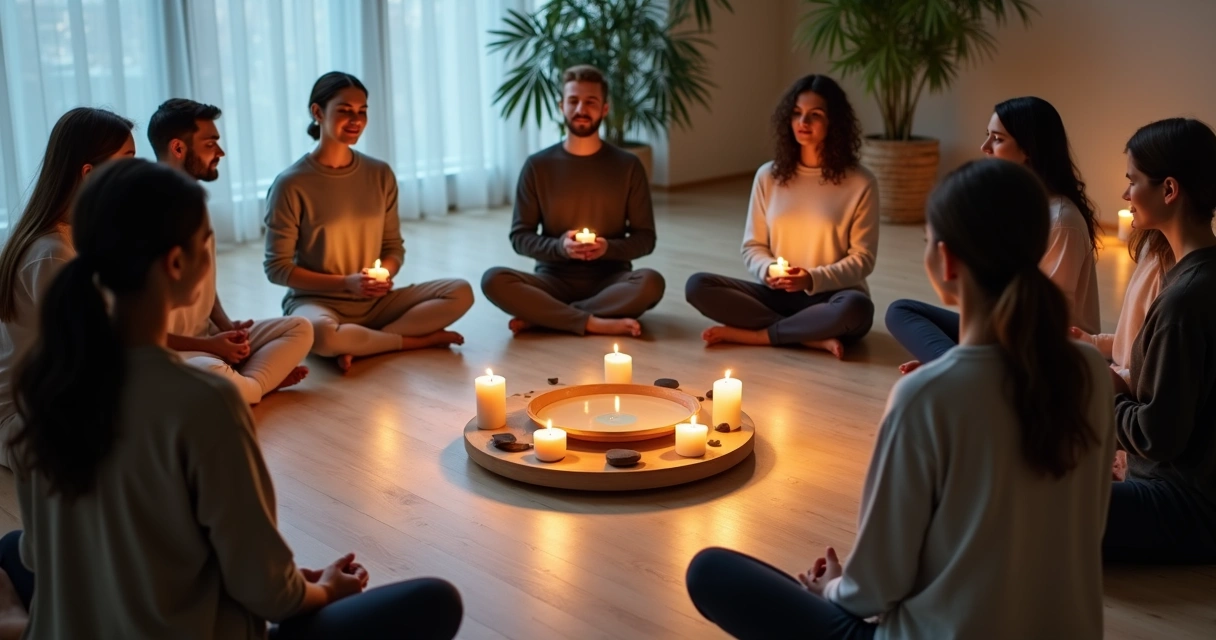
In moments when groups seek lasting connection or healing, the power of collective ritual stands out. We have seen how shared intentional practices can shape the emotional current of a team, family, or community. Rituals invite openness, transforming chaotic energies into alignment, presence, and, at times, real harmony.
Understanding collective emotional integration
Collective emotional integration is the process of bringing a group’s emotional experience into conscious awareness, in order to create shared meaning and deeper bonds. When people come together—each carrying hopes, disappointments, and histories—a ritual can provide the safe structure needed for honest expression and, ultimately, new patterns of trust.
But to achieve this, intention, design, timing, and care are not negotiable. We cannot just gather people and call it a ritual. There is an art to making these spaces effective and generative. We draw from years of observation and practice: when certain components are present, a group can move from fragmentation to integration.
Why collective rituals matter
We often see that when groups neglect their emotional currents, conflicts linger. Frustrations go underground. Shared purpose suffers. Yet, when people pause to recognize what lives beneath the surface—joy, fear, grief—a change happens. The group breathes together.
When emotion is heard, the group finds its balance.
Rituals give us a language for the unsaid, a time for what is felt but rare in daily conversations. They invite vulnerability, empathy, and choice. In our experience, those are the nutrients for collaboration that lasts.
Planning your collective emotional ritual
The strength of a ritual lies in its clarity and conscious structure. We suggest approaching this with gentle attention. Consider these foundation steps:
- Clarify intention: Define what emotional integration means for this group. Are you seeking to heal after tension? Celebrate after achievement? Open dialogue about a transition?
- Know your group’s readiness: How safe do participants feel? Is there enough trust for open sharing? Gauge this ahead of time, and don’t rush.
- Choose the right time and space: Rituals need containers—physical or virtual—that feel welcoming. Good acoustics, privacy, and a sense of belonging make all the difference. Lighting, seating, and symbolic decor may add depth.
- Design the sequence: A well-structured ritual often follows a circular arc: opening, sharing or expression, meaningful closure.
- Gather materials: Think of symbols that ground emotion, objects for centering (like stones, candles, or even meaningful music), and tools for creative expression (markers, cards, or blankets).
- Appoint a gentle guide: Every ritual deserves a facilitator—someone able to help create and guard the emotional space, offering prompts and reassurance as needed.
Mistakes happen when steps are skipped. Rushing through—or overloading with too many elements—can make the ritual feel forced rather than freeing.
Elements of an effective emotional ritual
What turns a meeting or team building into a true integration? In our experience, these components shape the difference:
- Opening clarity: Begin with a spoken welcome. Set agreements for confidentiality, presence, and respect. Invite people to leave distractions outside.
- Embodied centering: Use gentle breathwork, simple stretches, or mindful silence. This shifts focus from chatter to inner awareness.
- Shared intention: Everyone either voices or holds a purpose for the gathering. This gives the ritual coherence and focus.
- Expression round: Encourage participants to share what they bring emotionally. This could be spoken, nonverbal (placing a stone), or creative (writing a word or drawing an image).
- Witnessing without fixing: Acknowledge what is shared. No interruption, fixing, or advice—only gratitude and presence.
- Integration activity: Use a group gesture or symbolic act (lighting candles together, weaving ribbons, collective breathing) to represent shared integration.
- Meaningful closure: End with thanks, a poem, music, or a closing affirmation from each participant if possible. Leave space for private processing afterwards.
Every ritual can be adapted; what matters is that the structure feels authentic for those present and supports emotional coherence.
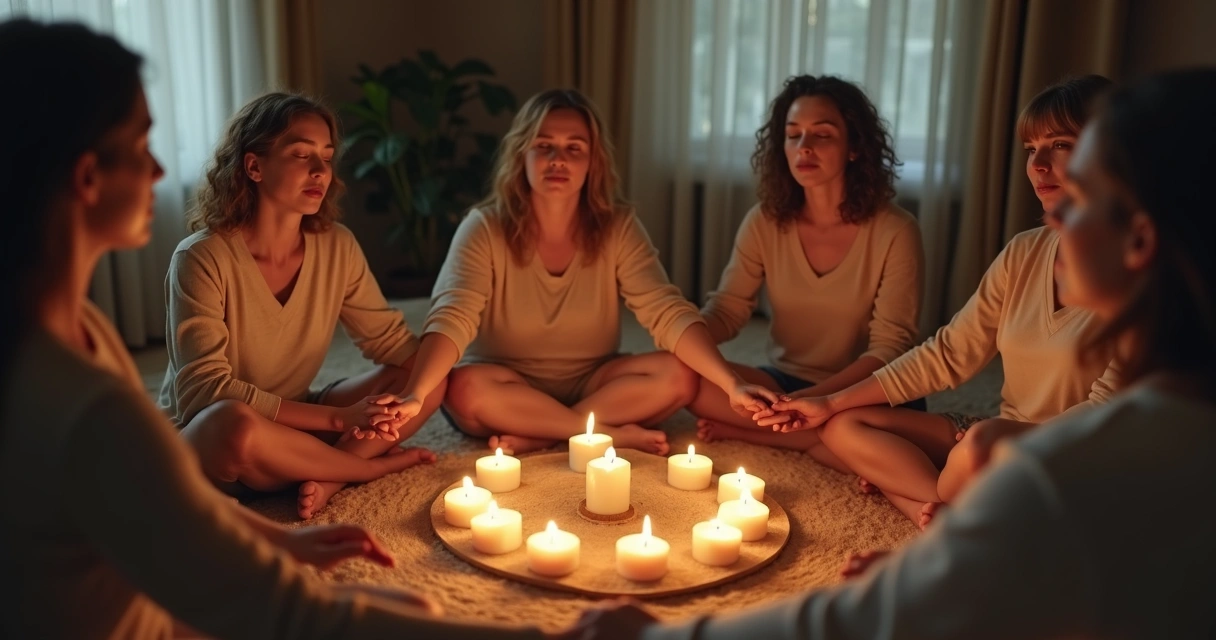
Creative ideas for emotional rituals
While certain practices are common, we have enjoyed experimenting with new forms. Here are options to consider:
- Story circles: Each person shares a short story that reflects their current emotion or recent experience. Everyone else listens quietly, without comment.
- Symbol sharing: Participants bring an object that represents their feeling about the group. Place the objects in a central space and describe the meaning as desired.
- Group art: Use a large sheet of paper where all can draw, paint, or write words reflecting their feelings. The result is a visual map of the group psyche.
- Collective breathing or humming: Guide everyone in simple breathwork or a gentle shared tone, letting the sound fill the space. This brings alignment without words.
- Memory walk: Ask participants to silently or verbally recall a significant group moment, then reflect on what emotions that brings up.
We encourage gentle creativity and encourage groups to try different tools until a format resonates.

Keeping emotional safety at the center
Safety is non-negotiable. In our work, we have witnessed the harm that follows when rituals are used carelessly, forcing people into exposure or reopening old wounds without support.
Emotional integration grows only where trust is cultivated.
We recommend that facilitators check in regularly with participants, making room for those who prefer quiet. It is also wise to set clear boundaries around sharing. No one should feel forced. Everyone’s pace is respected.
Tailoring rituals for different groups
Not all emotional groups are the same. In teams, focus might be on collaboration and conflict healing. In families, it could be about honoring grief or celebrating transition. In organizations, rituals often center around change or vision setting.
What matters is adapting themes and rituals to the culture, age, and context of the participants, always asking for feedback to shape future gatherings.
Conclusion: Sustained change grows from shared ritual space
We believe that the deepest change—within teams, families, and organizations—rises from honest emotional presence. Rituals do not guarantee immediate peace. But, when designed with care, they create the space for integration, which in turn lays the foundation for every real collaboration that follows.
When emotional currents flow together, collective action gains new clarity.
It begins with one brave invitation and the intention to grow—together.
Frequently asked questions
What is collective emotional integration?
Collective emotional integration is the process by which a group becomes aware of and acknowledges its shared emotional states, supporting members to express, witness, and accept those emotions together. This builds trust, understanding, and a sense of unity. By allowing both positive and difficult feelings to surface and be processed, the group is better able to collaborate and connect.
How to create group emotional rituals?
To create group emotional rituals, start by clarifying the intention and purpose of the gathering. Design a sequence that includes an opening, a moment for sharing or expressing emotions, and a thoughtful closure. Use symbols or creative activities, and ensure that everyone feels safe to participate or observe. Assign a gentle facilitator to guide the process and establish clear agreements for respect and confidentiality.
Why are rituals important for healing?
Rituals are important for healing because they provide structure, intention, and shared meaning during emotional experiences. They help to slow down, create a focused space for feeling and processing emotions, and support group members to witness and support each other. This can relieve emotional tension, resolve conflicts, and rebalance relationships.
What materials do I need for rituals?
Materials for rituals can vary, but commonly include symbolic objects like stones, candles, or special tokens. Art supplies (markers, paper), soothing scents (incense, essential oils), and meaningful music may also help set the atmosphere. Choose materials that have shared meaning for your group and that foster comfort and focus.
Can rituals help build community trust?
Yes, rituals can help build community trust by creating safe and intentional spaces for honest emotion and mutual respect. When people participate in rituals together, they often feel more connected, valued, and clear about each other’s intentions. Over time, this strengthens the group’s sense of belonging and reliability.