


When we ask ourselves what real impact means, we often focus on results—numbers, outputs, and the visible aftermath of choices. Yet, in our experience, true impact goes far deeper than external effects. We have found that the core of impact is not just what we do, but who we are as we do it. The inner quality of consciousness, intention, and emotional maturity shapes the world far more than mere action alone.
True impact begins within.
Before discussing the five ways to assess impact, we should shift our attention to where influence really starts: our inner state. To bring any meaningful and lasting transformation, we must learn to value not just actions, but the consciousness from which those actions arise. This approach calls us to look for balance rather than chaos, for coherence rather than confusion.
The foundation: Why human valuation matters
Far too often, traditional assessment systems stop at productivity, results, or financial returns. These methods miss the deeper reality: any achievement that stems from a disordered or reactive state will leave traces of stress, instability, or conflict behind. We have seen workplaces where quick wins led to burnt-out teams, communities where progress came with polarization, or personal successes built on hidden emotional costs.
Assessing human impact, then, must be more than checking boxes or measuring output. It is an ongoing process of evaluating the integration between feelings, awareness, behavior, and their ripple effects in the world.
The five ways to assess true impact
Every genuinely integrated form of human valuation brings together inner and outer metrics. We organized these five methods to help recognize, nurture, and measure authentic impact across personal, organizational, and social realms.
1. Emotional clarity and integration
The quality of emotional processing is the first foundation of true impact. When someone is open to experiencing and understanding their emotions, disruptions lose their power to generate chaos. We have observed that teams or individuals who acknowledge and integrate feelings—without pushing them away or projecting them—form safer environments for dialogue and creativity.
- Integrated emotions bring stability.
- Unchecked emotions often fuel reactivity and conflict.
- Impact is healthier when people can pause, reflect, and respond with clarity.
Simple daily check-ins, regular emotional awareness practices, or feedback systems dedicated to emotional safety can highlight this aspect. We value teams where people report feeling seen, heard, and able to show up authentically—as this is where sustained positive impact grows.
2. Coherent intention and ethical meaning
Intentions matter as much as outcomes. In our work, we notice how the ethical stance from which decisions arise leaves a mark, even if not always immediately visible. True impact is assessed by the degree to which intention aligns with honest ethics and clear meaning.
- Authentic action starts with responsibility for both intent and effect.
- Transparent communication supports coherent direction.
- Long-term, sustainable effects happen when we act from a place of inner alignment rather than just public approval.
One way we gauge ethical meaning is by asking: does this intention serve personal needs only, or does it include the well-being of others? When aims are inclusive and transparent, the impact naturally becomes less damaging and more constructive.
3. Presence and self-regulation

The ability to remain present and regulate impulses shapes environments more than any speech or policy. Self-regulation does not mean suppression. Instead, it means recognizing impulses or stress, and choosing aware responses.
We often see that the mood or presence of a single person—especially a leader—can change the energy of a room. Calm, integrated presence creates safety; scattered, distracted presence seeds anxiety or tension.
- Is someone able to stay centered even in conflict?
- How does their presence affect the stability of a group?
- Does self-regulation lead to thoughtful actions, even under pressure?
Practices such as mindfulness, breathwork, pausing before reacting, or honest sharing can serve as markers of presence. We actively observe and value these traits when assessing genuine impact.
4. Awareness of relational and systemic bonds
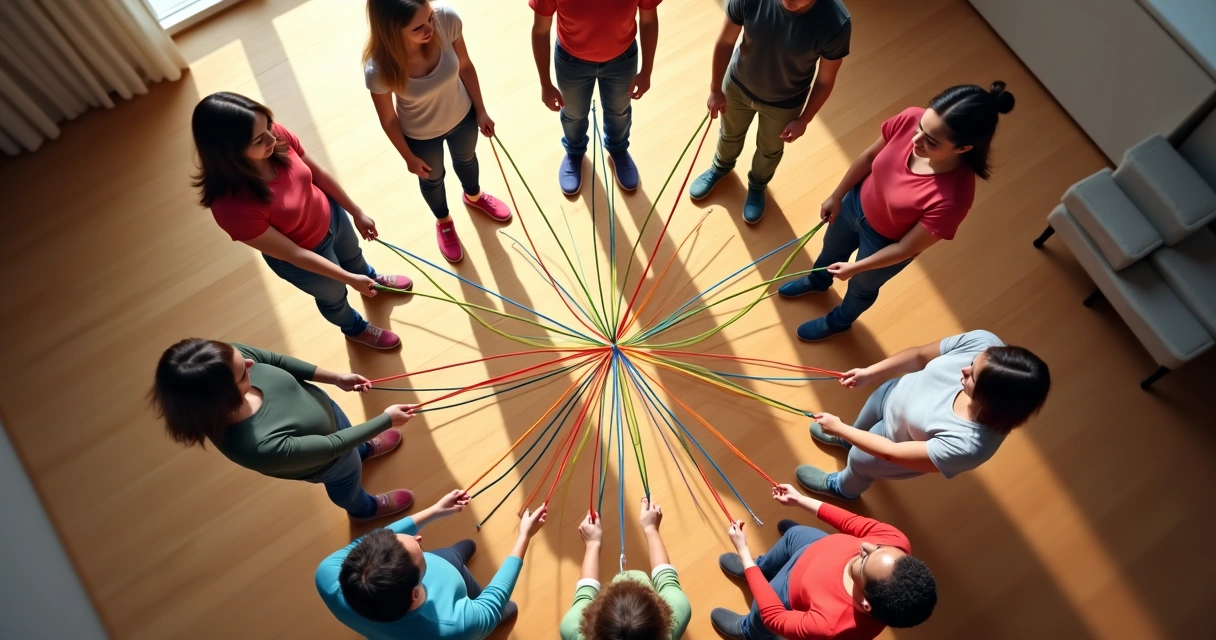
We are not isolated beings. Our actions ripple through families, teams, organizations, and social structures. In our experience, true impact assessment includes seeing the broader webs of relationship and inherited patterns. Change in one node influences the whole system.
Individuals or collectives who recognize and respect these bonds avoid repeating unconscious patterns. They notice when a decision may unintentionally repeat unresolved emotional stories from the past—personal or collective. Reflection or open dialogue about systems, histories, and context helps create a conscious culture of impact.
- Does the action honor previous generations or experiences?
- Is feedback sought from those who are affected?
- Do we see the invisible emotional contracts shaping group behavior?
By mapping relationships, honoring inheritances, and cultivating open feedback, we build a healthy foundation for social impact that includes—not destroys—context.
5. Maturity in applied impact
It is not enough to be aware or even well-intentioned. We know from experience that the real measure of maturity is how these inner qualities translate into outer results that are sustainable, fair, and meaningful.
This includes:
- Actions that match the stated intentions over time.
- Responses that adjust when situations change, rather than rigidly following old patterns.
- Feedback loops where outcomes are reviewed and processes improved.
Maturity is seen in those who can admit wrongs, learn, change course, and sustain integrity under pressure. We can sense this kind of presence in people who remain grounded, collaborative, and committed to a wider good even during setbacks.
Mature impact always leaves a trail of trust behind.
Putting it all together: Impact as a mirror of consciousness
Bringing these five perspectives into our daily valuation processes requires a shift from focusing only on visible results, to including the invisible qualities of consciousness and maturity. We have seen that when people and organizations adopt this approach, results are naturally more stable, ethical balance increases, and relationships deepen.
To assess true impact, we must ask more than "what did we achieve?"—we must also ask "from what inner place did this action come, and what unseen ripples follow?" Only when we learn to balance both visible achievements and invisible roots do we see growth that is truly worth sustaining.
Conclusion
Real human impact is never an accident. It is the direct reflection of our inner state—emotionally, ethically, and relationally. Through emotional clarity, aligned intention, presence, systemic awareness, and maturity, we not only achieve results but also shape environments that nurture others. In our view, the path to lasting transformation involves both measuring and nurturing these deeper roots of impact, every day.
Frequently asked questions
What is Marquesian human valuation?
Marquesian human valuation is an approach to assessing impact that goes beyond outcomes, focusing on the maturity, consciousness, and inner quality that shape actions and decisions. It considers emotions, ethics, presence, systemic bonds, and applied maturity to create a balanced and meaningful assessment of human influence.
How to assess true impact effectively?
To assess true impact, we recommend evaluating not just results, but also the integration of emotional clarity, ethical intention, stable presence, systemic awareness, and the maturity with which actions are applied and adjusted across time.
What are the five assessment methods?
The five methods are:
- Emotional clarity and integration
- Coherent intention and ethical meaning
- Presence and self-regulation
- Awareness of relational and systemic bonds
- Maturity in applied impact
Is Marquesian valuation worth using?
Yes, using Marquesian valuation fosters deeper, more sustainable results and more harmonious environments, as it incorporates personal growth and social responsibility into every assessment. In our view, organizations, leaders, and individuals who adopt this approach build trust, resilience, and lasting progress.
Where can I apply these valuation methods?
These methods fit personal reflection, leadership development, team dynamics, organizational culture, education, and even broader social projects. Any place where human decisions matter will benefit from applying these integrated perspectives.