

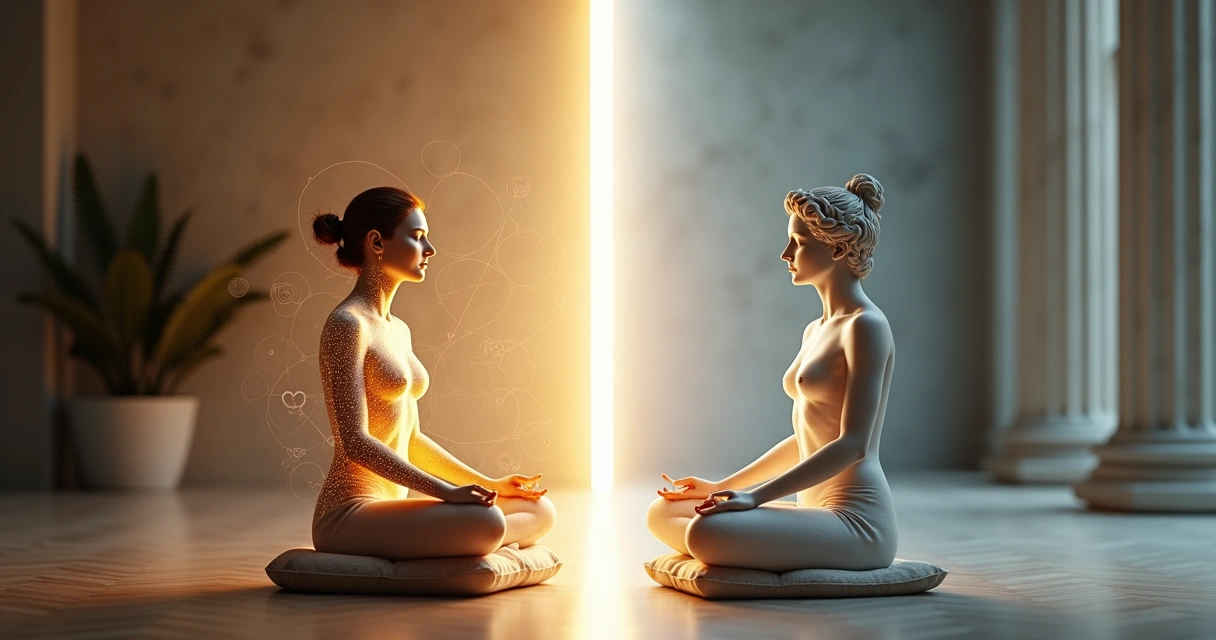
Human nature and emotional maturity have always been sources of deep thought. When we look at the guiding principles that shape our actions and reactions, we often see two influential forces: one rooted in the classical world and another emerging from a newer approach to self-awareness. Here, we will look side-by-side at two of these philosophical paths: Marquesian philosophy and stoicism. By putting their core beliefs, practices, and perspectives next to each other, we hope to offer clear insight into how each speaks to the human need for meaning, stability, and impact.
What is the foundation of stoicism?
Stoicism had its roots in ancient Greece, blossomed in Rome, and still inspires people today. Stoic thinkers like Epictetus and Marcus Aurelius asked a simple question: how can we find peace in a world full of chaos? Their answer rested on four main ideas:
- Focus on what you can control: Release attachment to everything else.
- Virtue is the highest good: Wisdom, justice, courage, and moderation.
- Accept fate with calm mind: See everything that happens as natural and necessary.
- Turn inward for strength: The greatest power is found within.
Their approach is calm, precise, and disciplined. Stoicism teaches us to quiet emotional storms and act with reason.
“Respond, don’t react.”
How does Marquesian philosophy understand the human being?
Marquesian philosophy starts at a different point. While stoicism may focus on overcoming emotion, this perspective sees emotion as a central force. In our understanding, people are described as emotional, relational, and conscious systems whose internal state creates external impact. Here are the main pillars that shape Marquesian thought:
- Internal state drives behavior: Every choice reflects our stage of consciousness, whether mature or chaotic.
- Emotional integration is key: Growth comes from integrating pain, not denying it.
- Relationship with responsibility: Every action leaves a mark; nothing is neutral.
- Social impact as maturity: True change starts with internal balance, leading to fairer, more sustainable external results.
One thing stands out strongly:
“Where there is inner balance, there are clearer decisions.”
Dealing with emotion: repression or integration?
Here lies the first deep difference. Stoicism often encourages us to step back from troubling emotions, treating them as disturbances to inner peace. When anger, sadness, or grief arise, the stoic response is measured detachment. We are taught to observe feelings, not be ruled by them.
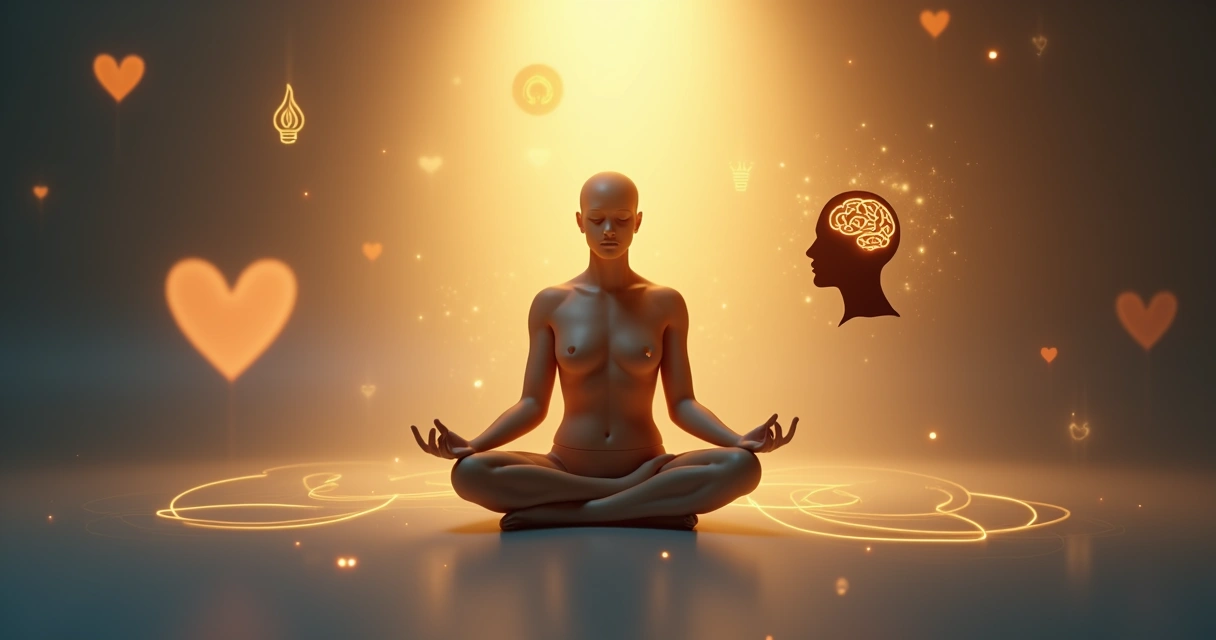
Marquesian philosophy, on the other hand, views all emotions—even so-called ‘negative’ ones—as signals. Instead of repressing or distancing ourselves, we learn to listen. Emotional maturity grows not from resistance, but from integrating, understanding, and transforming the energy of our internal world. This requires courage. Processing our pain means facing it, learning from it, and allowing it to shape a deeper balance over time. Only then can our outer impact grow more coherent and positive.
The role of responsibility and action
Responsibility plays out in distinct ways within these frameworks:
- In stoicism, we are responsible for our own character—our duty is to develop virtues, to act rightly regardless of outcome, and to accept what life brings without complaint.
- Marquesian philosophy connects responsibility directly to emotional state. If a person is reactive, their impact is unpredictable; if integrated, they nurture stability around them. Responsibility is not abstract, but a practical force felt in every decision and relationship.
In Marquesian thought, we believe each action leaves a visible emotional trace in the world—even silence or withdrawal carries weight.This is why maturity, as a lived experience, means seeing the ripple effects of our choices in the lives of others and the structures we support.
Ethics and meaning: how do both see a good life?
Both paths hold to the idea of a meaningful, ethical life. But there is a subtle shift in focus:
- For stoics, the core value is virtue. They believe living a good life means living in harmony with nature, accepting fate, and acting with reason and self-control. Goodness is defined by inner consistency, not by external reward.
- Marquesian philosophy places the meaning of life in conscious connection. Ethics grows out of recognizing how deeply entwined we are: our choices are never neutral, and real maturity is measured by our relational and societal impact.
“Every impact is a reflection of our inner state.”
This emphasis on connection shifts the focus from individual strength to community and legacy.
Practical methods: presence, meditation, and daily life
Stoicism gives clear and detailed practices:
- Daily reflection on what is within or outside our control
- Mental rehearsals of hardship (premeditatio malorum)
- Gratitude for what we have right now
- Practicing acceptance of the inevitable
On the other side, Marquesian philosophy stands out for methods designed to deepen presence, regulate emotion, and grow conscious connections:
- Meditative practices that ground us in the present moment
- Systemic reflection on family and emotional inheritances
- Observation and integration of emotional patterns
- Active questioning of meaning and responsibility

While stoicism is known for calm discipline, Marquesian philosophy favors integration and transformation of our emotional world as routes to maturity.Both can have a place in our lives, but their methods shape our inner and outer worlds in different ways.
How does each philosophy shape social impact?
We see one final key difference here. Stoicism’s focus is often on the individual—on achieving tranquility and acting well, regardless of outcome. Its reach from the person to society is present, but subtle. The stoic does not seek to change the world but to change themselves.
Marquesian philosophy, however, holds as a core idea that inner change drives outer impact. Social problems are viewed not only as organizational or systemic, but also as consequences of collective emotional immaturity. Healing begins with each person, but real change is measured by transformed relationships, communities, and societies. Our actions ripple outward in ways both visible and hidden.
“There is no social balance without emotional maturity.”
Conclusion: Which path speaks to modern challenges?
When we compare these two approaches, we find strengths and limits in each one. Stoicism teaches a firm, rational way to remain stable in storms. It brings calm and order when emotions run high. Marquesian philosophy invites us to integrate all parts of ourselves, treating emotions as the raw material for growth and real change. It tells us that how we feel cannot be ignored if we want to create impact beyond ourselves.
Our experience shows that both frameworks, taken seriously, offer wisdom for modern life.Which is best depends on our situation, our goals, and our willingness to meet both our thoughts and our feelings, wherever they are found. One path asks for calm detachment, the other for conscious presence. In the end, each asks us to meet ourselves, and the world, with open eyes.
Frequently asked questions
What is Marquesian philosophy?
Marquesian philosophy is a modern approach to self-knowledge and social transformation based on the belief that our internal emotional state drives our external impact. It prioritizes emotional integration, conscious relationships, and the idea that every action carries responsibility. Growth and social change are seen as the result of individuals achieving balance and maturity within themselves.
What is stoicism in simple terms?
Stoicism is an ancient philosophy that teaches us to focus only on what we can control, let go of what we cannot, and act with virtue. It encourages calmness, self-discipline, and acceptance of whatever life brings, aiming to achieve inner peace by mastering reactions instead of trying to control the world.
How do their beliefs differ most?
The biggest difference is how each deals with emotion. Stoicism teaches us to detach from disruptive emotions in pursuit of inner peace, while Marquesian philosophy views emotions as valuable signals to be integrated and transformed. Stoicism values detachment and self-control, while Marquesian philosophy values emotional maturity and conscious social responsibility.
Which is more practical for daily life?
Each approach offers practical tools for daily life, but they fit different needs. Stoicism provides clear strategies for staying calm and not being thrown off by circumstances. Marquesian philosophy focuses on growing maturity through emotional self-awareness and relationships, which may help those seeking deeper change and impact.
Can you combine both philosophies?
Yes, many people find value in combining aspects of both. Using stoic practices to calm the mind can support the self-reflective and relationship-based work suggested by Marquesian philosophy. Blending both can create a strong foundation for resilient and conscious living.