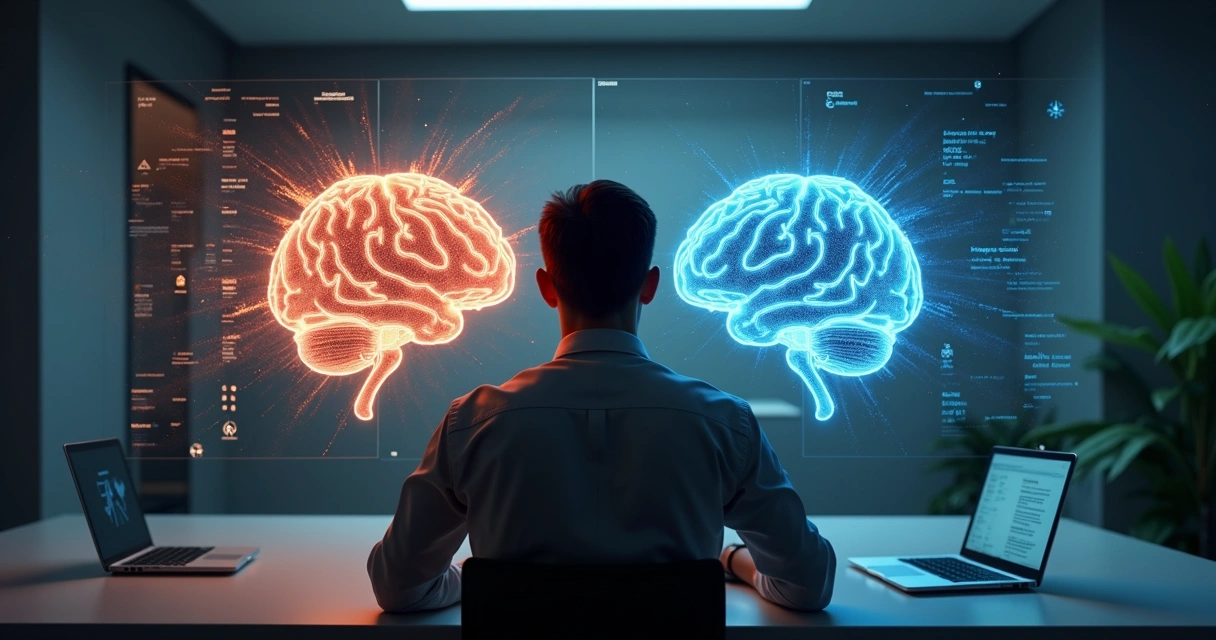
We live in a world that never stands still. Technology transforms overnight, industries twist and turn, and what was true yesterday can fade fast. In this rush, learning becomes a lifelong need—not just staying updated, but staying balanced. Inside all this movement, there’s a hidden enemy to true learning: reactivity.
Reactivity is not simply being responsive or quick. It is a state where our thoughts, emotions, and actions get hijacked by triggers, pressure, or discomfort. In our experience, nothing disrupts learning in fast-changing fields as much as this silent process. We see it in classrooms, boardrooms, and in our own reactions to the latest trends and challenges around us.
Reacting fast is not the same as learning deeply.
Why speed makes reactivity so tempting
The pace of change amazes us. Artificial intelligence, climate science, social media, medicine—fields shift so quickly that even seasoned professionals feel unsure sometimes. In this storm, it’s natural to seek shortcuts or follow the crowd. We may feel the urge to jump at the latest advice, mimic a new tool, or discard what now seems “old-fashioned.”
When we sense uncertainty, our nervous system becomes alert. Emotional and physiological responses jump in, as highlighted by studies that show infants manifesting physical signs of reactivity when faced with new learning tasks. If children experience this, imagine how much stronger such reactions can be when careers or reputations are on the line.
What happens next is often not true learning, but a loop of impulsive action:
- We grab new ideas without testing them deeply.
- We discard approaches that feel hard or unfamiliar, even before understanding them.
- We become reactive in discussions, defending our habits or challenging “threatening” ideas, rather than being open.
- We chase speed, yet lose comprehension and real know-how in the process.
How reactivity shows up in different learning settings
Each field has its nuances, but the marks of reactivity are unmistakable when we pay attention. Let’s take a closer look at a few scenarios most of us know well.
In professional development
When a new tool or method appears and everyone rushes to adopt it, those who act out of anxiety—the fear of being left behind—rarely master the skill fully. We see them clicking through tutorials, switching platforms, reading just summaries. It seems productive, but skills remain shallow.
In schools or training sessions
Students confronted with novel concepts often feel triggered by confusion or frustration. Reactivity here looks like disengagement, resistance, or blaming the topic or teacher. The brain closes off when discomfort is high and curiosity is low. Deep learning cannot happen in that state.
In leadership and management
Leaders pressured by rapid change sometimes react with directive, rigid instructions, or even micromanagement. Instead of guiding with inquiry or patience, reactivity closes the door on team learning and collective growth. This narrows innovation and blocks honest feedback.

The cost of learning on autopilot
At first, reactivity feels active. We move fast, absorb a lot, or at least seem to. Yet the real cost emerges over time:
- Shallow understanding: Concepts learned in a reactive state do not settle deeply. We memorize instead of understanding.
- Higher stress: Constantly switching directions increases anxiety, as our sense of stability vanishes.
- Reduced creativity: Creativity fades when there is no space for reflection or honest questioning.
- Poor decision-making: Decisions made out of panic or habit often ignore nuances that matter most.
We have seen teams waste resources chasing “the next big thing,” only to find themselves lost when the hype passes. Individuals feel exhausted, leaders grow rigid, and organizations lose the ability to sustain healthy growth.
Without integration, change creates chaos instead of growth.
How reactivity blocks deeper learning
Effective learning happens when we are present, patient, and open to confusion as part of the process. Reactivity, on the other hand, brings certain patterns that block this:
- Emotional hijack: When a new topic feels threatening, our emotions override rational thought. We tune out, react, or shut down.
- Defensive routine: We avoid feedback or dismiss views that challenge our position.
- Impatience: We crave quick results and expect to “master” skills within days. The discomfort of real learning is too much.
- Imitation over reflection: Instead of building personal understanding, we copy what appears popular or easy.
All of these keep us from true growth. In our experience, the real danger is not making mistakes, but moving too quickly to notice them—or repeating them unconsciously.
How can we reduce reactivity and learn better?
We can’t avoid change, but we can choose how to respond. In our vision, reducing reactivity is about learning to pause, reflect, and process before acting. Here are steps that work for us and many we’ve trained or worked with:
- Notice your state: Before acting, check if you feel rushed, defensive, or unsettled. If so, pause.
- Allow confusion: Normalize not knowing. Confusion means you’re on the edge of learning, not failing.
- Ask questions: Replace quick answers with real questions. Good learners are good questioners.
- Delay decisions: Give time between learning something new and making big changes based on it. Sleep on it, journal, discuss with others.
- Practice humility: Accepting you don’t know everything opens more space for real understanding.

Growth comes not from rushing, but from reflection.
Learning as a process, not a reaction
We have witnessed how profound learning transforms people and organizations—especially when the field is shifting fast. The trick is not to chase each wave impulsively, but to develop a strong, calm center that welcomes change and discomfort. When we unhook from reactivity, we start to perceive patterns, connect ideas, and build the maturity needed for the challenges that matter most.
If we practice awareness, patience, and collective reflection, fast-moving fields become sources of possibility instead of anxiety. We shape change, instead of letting it shape us.
Conclusion
As the pace of change accelerates, the temptation to react, imitate, and rush becomes stronger. Yet, in our experience, true learning in fast-changing fields depends not on the speed of our reactions, but on the depth of our attention. By recognizing and reducing reactivity, we make space for real understanding, creativity, and wise decisions. The fastest learners are not the most reactive, but the most integrated and self-aware.
Frequently asked questions
What is reactivity in learning?
Reactivity in learning is when our responses to new information or challenges are driven more by emotional triggers or discomfort than by thoughtful reflection or curiosity. This can lead to impulsive decisions or resistance to deeper understanding, rather than patient progress.
How does reactivity affect fast-changing fields?
In fast-changing fields, reactivity can amplify confusion and stress, causing us to chase every new trend or tool without building real understanding. It often leads to shallow learning, poor decisions, and frustration because we are acting from anxiety, not insight.
How can I avoid reactive learning?
We recommend pausing before acting on new information, inviting questions, and allowing yourself to feel uncertain without rushing to fix it. Regular self-checks, reflection, and discussion with others help build a steady “center” for deeper learning instead of reactive habits.
Is reactive learning always bad?
Sometimes, fast reactions are needed in emergencies. However, for complex skills or new knowledge, reactive learning rarely results in lasting understanding. Pausing to reflect almost always leads to better outcomes in the long run.
What are better ways to learn?
Intentional learning happens when we slow down, reflect, ask questions, tolerate discomfort, and actively build connections between new and old knowledge. Emphasizing process, not just quick results, brings the deepest and most flexible skills—especially in fields that never stop changing.