

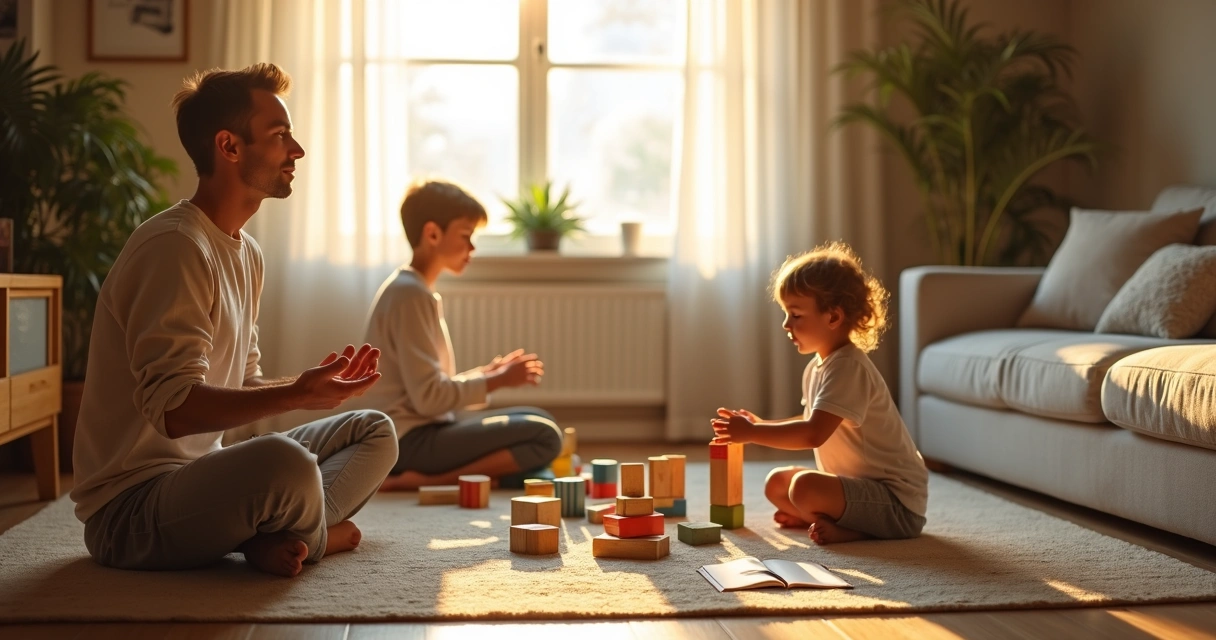
We often think parenting begins with what we say to children. In our experience, it begins one step earlier, with the state we bring into the room. A parent may use kind words, but if the body is tense, the voice is sharp, and the mind is flooded, the child still feels the strain. Children read far more than language. They read rhythm, tone, speed, silence, and reaction.
Self-regulation is the parent’s ability to notice inner activation and respond with awareness instead of impulse.
This is where conscious parenting takes root. Not in perfection. Not in endless patience. In regulation. In the small pause between feeling and action.
We have seen this in ordinary moments. A child spills juice on a clean floor. A shoe goes missing when everyone is late. Homework turns into tears. These moments seem minor, yet they expose the emotional climate of a home. If we react without awareness, the event becomes larger than it is. If we steady ourselves first, the same event can become a lesson in repair, limits, and calm.
Children borrow our nervous system before they build their own.
Why self-regulation shapes parenting
Parenting asks us to guide a developing person while managing our own history, stress, fatigue, and expectations. That is no small task. When we are dysregulated, we tend to control, rush, threaten, or withdraw. When we are regulated, we can stay present long enough to understand what is really happening.
Conscious parenting does not remove limits. It changes the inner place from which limits are given.
This matters because discipline is never just about behavior. It is also about the emotional field in which behavior is addressed. A limit given in anger often creates fear or resistance. A limit given in steadiness creates safety, even when the child is upset.
We also know that parenting and child development affect each other in a living loop. A study from Pennsylvania State University on child temperament and parenting showed that behavioral self-regulation and conscience in early childhood are shaped by this interaction. In simple terms, children do not develop in isolation, and parents do not parent in a vacuum. Each influences the other.
What self-regulation looks like at home
Self-regulation is not a cold or rigid stance. It is not emotional suppression either. It is the skill of staying connected to emotion without being ruled by it. At home, this may look very simple from the outside, but inwardly it is a deep act of maturity.
It often includes actions like these:
- Pausing before answering a child’s provocation.
- Lowering the voice instead of raising it.
- Naming one’s own state with honesty.
- Returning after a mistake and repairing the bond.
A parent might say, “I am feeling very tense, so I need one minute before we talk.” That sentence does two things at once. It protects the child from a reactive response, and it models emotional responsibility.
Many adults were not raised with that model. We were often taught to obey, hide emotion, or endure pressure until it burst out. So when we try to parent with awareness, old patterns surface. This can feel discouraging at first. Yet it is also the doorway. We cannot regulate what we refuse to notice.

How regulated parents help children grow
Children learn regulation through repeated relational experiences. They do not gain it only from instruction. They gain it from being around adults who can hold intensity without becoming intensity.
A regulated parent gives the child a felt sense of safety, and safety supports learning, reflection, and cooperation.
This is supported by research as well. A study from the University of Melbourne on mindful parenting found that higher levels of mindful parenting were linked over time with lower child irritability. We see that as a strong sign that the parent’s inner steadiness supports the child’s emotional regulation.
At the same time, support does not mean overprotection. Children also grow when we encourage them to meet age-appropriate challenges. A study from the University of Pittsburgh School of Medicine on activation parenting strategies found positive links between encouraging children to face challenges and stronger self-regulation and engagement. This is a valuable point. Calm parenting is not passive parenting. It is present, steady, and willing to guide effort.
So the balance is clear. We regulate ourselves, then we help children do hard things without flooding them.
Practices that support parental self-regulation
We think parents need practical tools, not just ideals. In daily life, regulation is built through repetition. Short actions, done often, can reshape the emotional tone of a home.
These practices tend to help:
- Pause before response. Take one full breath before speaking during conflict.
- Track body signals. Notice heat, jaw tension, chest pressure, or a faster voice.
- Name the emotion. Simple words like angry, ashamed, afraid, or overwhelmed can reduce confusion.
- Use brief repair. If we react badly, we return, own it, and reconnect.
- Create transition moments. A minute of silence before school pickup or bedtime changes the next interaction.
- Set fewer, clearer limits. Too many rules often increase conflict for both parent and child.
One parent once told us that the hardest time of day was 6 p.m. Dinner, noise, unfinished tasks, and sibling conflict all arrived at once. The turning point was not a bigger discipline plan. It was a five-minute reset before entering that hour. A glass of water. A slower breath. The phone put away. Expectations lowered. Small acts. Different night.
That story stays with us because it shows something true. Regulation is often built in the margins.
What gets in the way
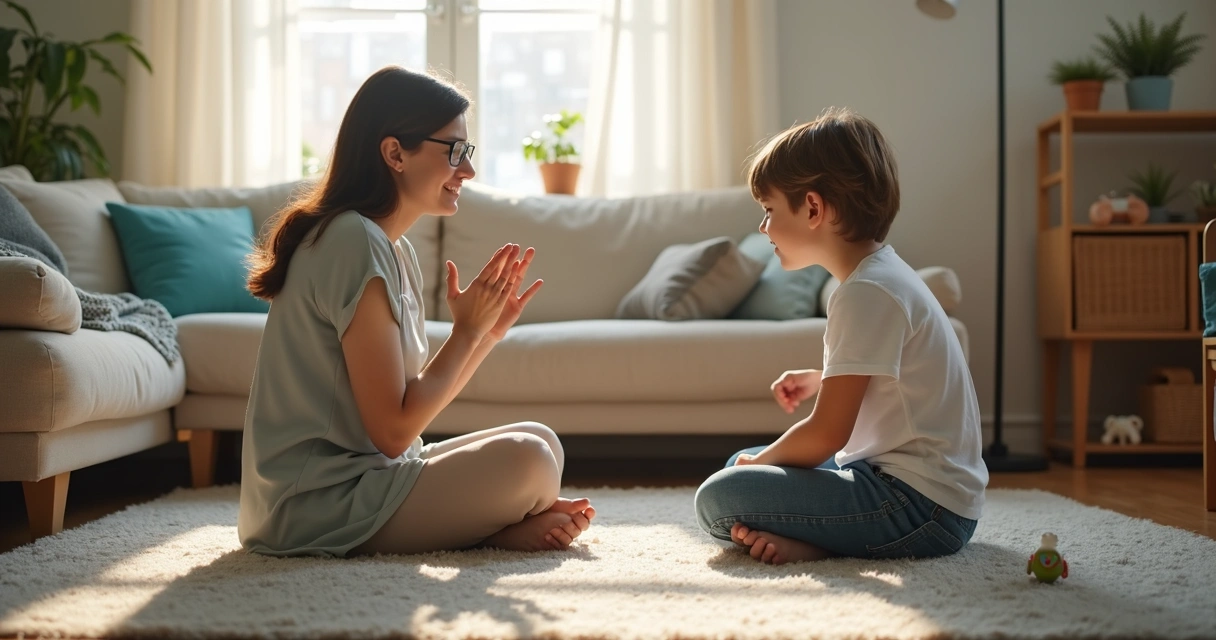
There are real obstacles to self-regulation. Sleep loss, financial strain, relationship stress, and unresolved pain all affect how we respond. We should not judge this lightly. Parenting can stir old wounds with great force. A child’s defiance may awaken our own memory of not being heard. A child’s crying may meet the part of us that never felt soothed.
This is why conscious parenting asks for honesty. Not blame. Honesty. We cannot offer stable guidance while ignoring what repeatedly destabilizes us.
When patterns feel intense, support can help. Reflection, emotional education, and steady inner practice can widen our capacity. There is no shame in needing support to become safer in how we love.
Conclusion
Self-regulation is the quiet structure beneath conscious parenting. It shapes how we set limits, how we respond to stress, and how children come to know safety. We do not need to get it right every time. We do need to become more aware of what we carry into our words, our faces, and our choices.
When we regulate ourselves, we give children more than calm moments. We give them a living example of how strength and tenderness can exist together. That lesson stays.
Frequently asked questions
What is self-regulation in parenting?
Self-regulation in parenting is the ability to manage our emotions, impulses, and reactions while caring for a child. It means noticing when we are activated and choosing a grounded response instead of acting from anger, panic, or stress.
How can I improve my self-regulation?
We can improve self-regulation by practicing small habits each day. Breathing before speaking, noticing body tension, naming emotions, resting when possible, and repairing after mistakes all help build this skill over time. Regular reflection also helps us catch patterns earlier.
Why is self-regulation important for parents?
Self-regulation matters for parents because children depend on adults for emotional safety and guidance. When we are more regulated, we set clearer limits, reduce reactive conflict, and create a home where children can learn without constant emotional instability.
What are self-regulation techniques for parents?
Helpful techniques include slow breathing, short pauses before response, body awareness, stepping away briefly when safe, using simple emotional language, and returning to repair after conflict. Consistent routines and lower overstimulation at home can also support regulation.
How does self-regulation affect children?
Self-regulation affects children by shaping the emotional environment in which they grow. When parents respond with steadiness, children are more likely to feel safe, trust limits, and develop their own ability to manage frustration, disappointment, and strong feelings.