
We often treat work as if it happens only in the mind. We plan, reply, decide, and push through tasks as though the body were just there to carry us from meeting to meeting. In our experience, that split creates trouble. The body speaks all day. It tightens, warms, sinks, braces, and opens. Those shifts are not random noise.
Somatic cues are body signals that reveal how we are responding before our words catch up.
A dry mouth before a call. A clenched jaw while reading one email. Heavy shoulders after saying yes too fast. Many of us know these moments, but we brush past them. We call them stress. We call them tiredness. Then we keep going.
The body speaks first.
When we ignore that language, we lose useful information. We react faster than we reflect. We agree when we mean no. We stay silent when something feels off. Over time, this shapes the tone of our work life more than we like to admit.
Why body signals matter at work
Work asks a lot from us. Attention. Patience. Social reading. Decision making. Emotional control. All of that lives in the body too, not just in thought. When our chest is tight, breath is short, and neck is rigid, our choices often become narrower. We tend to defend, rush, avoid, or freeze.
We have seen this in ordinary scenes. A manager enters a meeting already tense from a prior call. Nothing dramatic has happened yet. Still, the whole room feels it. Speech becomes clipped. People interrupt more. Ideas shrink. One person’s unspoken body state starts shaping the group.
Your physical state affects how you listen, speak, and decide during the day.
This does not mean every sensation is a warning. Sometimes the body signals interest, relief, confidence, or readiness. A calm belly before a presentation may tell us we are prepared. A lifted posture in a hard conversation may show inner clarity. Somatic cues are not only red flags. They also show alignment.
What somatic cues can look like
Many people expect body awareness to be dramatic, but it is usually simple. We notice small changes when we slow down enough to register them. At work, common somatic cues may include:
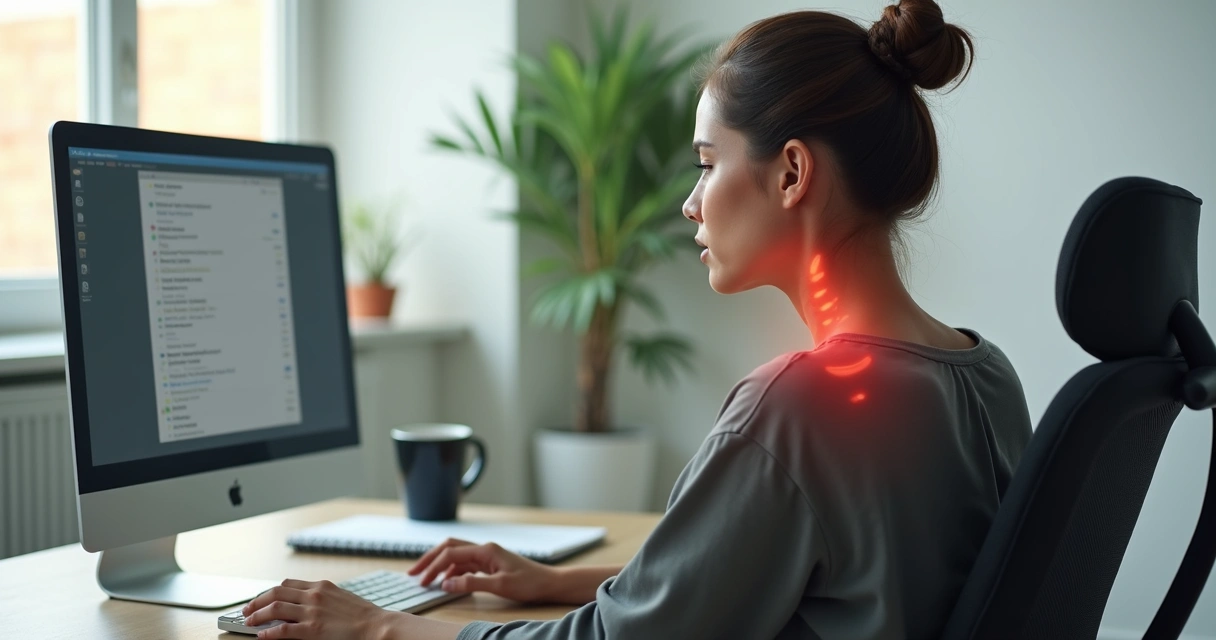
Tightness in the jaw, shoulders, chest, or stomach
Shallow breathing or frequent breath holding
Heat in the face during conflict or exposure
Sudden fatigue in one specific conversation
Restlessness, foot tapping, or urge to escape
A grounded feeling when a choice matches our values
These signs do not tell the full story by themselves. They are clues, not final verdicts. Still, clues matter. If we keep getting a headache before team updates, that pattern deserves attention. If our breath drops and steadies when we set a clear boundary, that matters too.
How we miss them
Most of us were taught to value output over awareness. So we override the body. We drink more coffee instead of resting. We force a smile during a call while our stomach drops. We stay in a role that looks fine on paper while our body says no every day.
There is also a social reason. In many workplaces, body awareness is seen as too personal or too soft. Yet people read body states all the time. We know when someone enters with calm. We know when someone is braced. Even without words, the body affects trust, safety, and clarity.
We once spoke with a person who kept getting a sharp knot in the stomach before weekly check-ins with a colleague. At first, it seemed like ordinary stress. After a few weeks of noticing the pattern, one fact became plain. The tension showed up only with that colleague, and only after vague requests that later turned into blame. The body had seen the pattern before the mind named it.
Ways to listen without overreacting
Body awareness is not about making every sensation into a crisis. It is about building a pause between cue and action. We can do that with small practices during the day.
We suggest a simple sequence:
Stop for ten seconds.
Name one sensation, such as tight chest or warm face.
Notice the setting. Who is present? What just happened?
Ask what the sensation may be pointing to.
Choose one grounded response.
A grounded response can be brief. Sit back in the chair. Exhale longer than you inhale. Ask for a minute before answering. Write the reply later instead of now. Stand up between calls. These actions are small, but they change the quality of our next move.
Listening to somatic cues means pausing long enough to let the body inform the mind.
It also helps to track patterns rather than isolated events. One tense meeting means little on its own. The same tension every Tuesday at 2 p.m. is data. A notebook can help. Not long journal entries. Just a few words:
What happened
What I felt in my body
What I did next
After a week or two, patterns become easier to see.
Boundaries, honesty, and better decisions
Somatic cues often show up around boundaries. We say yes while the throat tightens. We volunteer while the stomach sinks. We stay on a call that should have ended ten minutes ago. Then we wonder why resentment grows.
The body does not replace thought, but it adds honesty. It can tell us when we are performing agreement, suppressing anger, or forcing contact. That honesty supports wiser action. We may ask a clearer question. We may delay a decision. We may set a firmer limit with more respect and less charge.
There is also a quiet side to this. Somatic awareness can help us notice when we are safe enough to soften. Not every guarded posture is needed. Sometimes the body is still defending against an old tone, old pressure, old fear. In that moment, a slower breath and a grounded seat can return us to the present.

Creating a more human work rhythm
We do not need to turn the workday into a constant self-check. That would become another burden. What helps is rhythm. Short pauses before hard calls. A breath after reading a loaded message. A walk after intense focus. A clear no when the body has said no for days.
Teams benefit from this too. When people become more aware of their own body states, meetings can become less reactive. Feedback becomes cleaner. Conflict can stay direct without becoming harsh. Presence spreads.
That is the deeper point. Somatic cues are not side issues. They shape our tone, our timing, and our impact on others. If we keep dismissing them, we will keep acting from strain we never named.
Conclusion
We think daily work becomes more honest when we stop treating the body as background. Somatic cues help us catch tension before it turns into reaction, and they help us notice calm before it slips away. A jaw, a breath, a posture, a knot in the stomach. These are not small things when they repeat. They are signals about safety, pressure, alignment, and limits.
If we learn to notice them with care, we bring more steadiness into our choices. We speak with less impulse. We listen with more presence. We set boundaries with less drama. In simple terms, we work better when we stop working against our own body.
Frequently asked questions
What are somatic cues at work?
Somatic cues at work are physical signals that show how we are reacting to tasks, people, and pressure. They may include muscle tension, shallow breath, a racing heart, restlessness, fatigue, or a grounded sense of ease. These signs can reveal stress, discomfort, confidence, or alignment before we fully name the feeling in words.
How can I listen to my body?
We can listen to the body by pausing for a few seconds and noticing simple facts: breath, posture, tension, heat, or heaviness. It helps to ask, “What am I feeling in my body right now?” and “What just happened?” This keeps the process clear and calm. Short daily check-ins build awareness over time.
Why are somatic cues important daily?
Somatic cues matter each day because they influence how we respond in real time. They can warn us when we are close to snapping, shutting down, or agreeing against our better sense. They can also show when we feel steady and clear. Paying attention to them supports better timing, cleaner communication, and more balanced behavior.
How to use somatic cues effectively?
To use somatic cues well, we should treat them as information, not commands. Notice the signal, link it to the situation, and choose one thoughtful action. That may mean breathing, asking for time, clarifying a request, or setting a boundary. Patterns matter more than one-off sensations, so brief tracking can help.
Can somatic awareness improve productivity?
Yes, somatic awareness can improve productivity because it helps us reduce reactive behavior, mental overload, and poor timing. When we notice stress earlier, we can reset sooner and return with more focus. It also supports clearer decisions and steadier communication, which often saves time and lowers friction during the workday.