

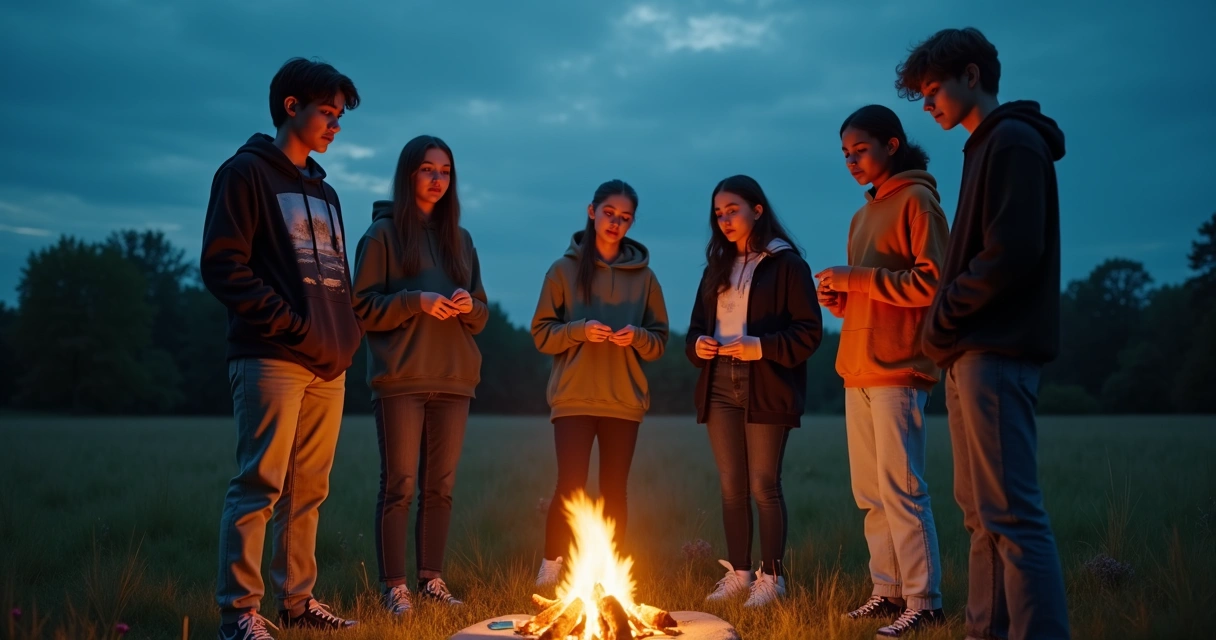
Adolescence is a crossing. A child is leaving, but the adult is not fully here yet. In our experience, this in-between stage asks for more than rules, schedules, and advice. It asks for rituals with meaning.
Conscious rituals are repeated actions done with presence and purpose. They can be simple. A weekly check-in at dinner. A quiet moment before school. A birthday letter that names growth, pain, and hope. What changes everything is not the size of the act, but the quality of attention inside it.
Rituals help adolescents turn change into meaning.
When teens do not have spaces that hold emotion, identity, and transition, they often create substitutes. Some become reactive. Some withdraw. Some test limits just to feel where the boundary is. We think this is one reason conscious rituals matter so much. They give form to inner movement.
Reason 1: They create emotional safety
Teens live with fast inner shifts. One day they want closeness. The next day they want distance. A conscious ritual offers a stable point in the middle of that movement.
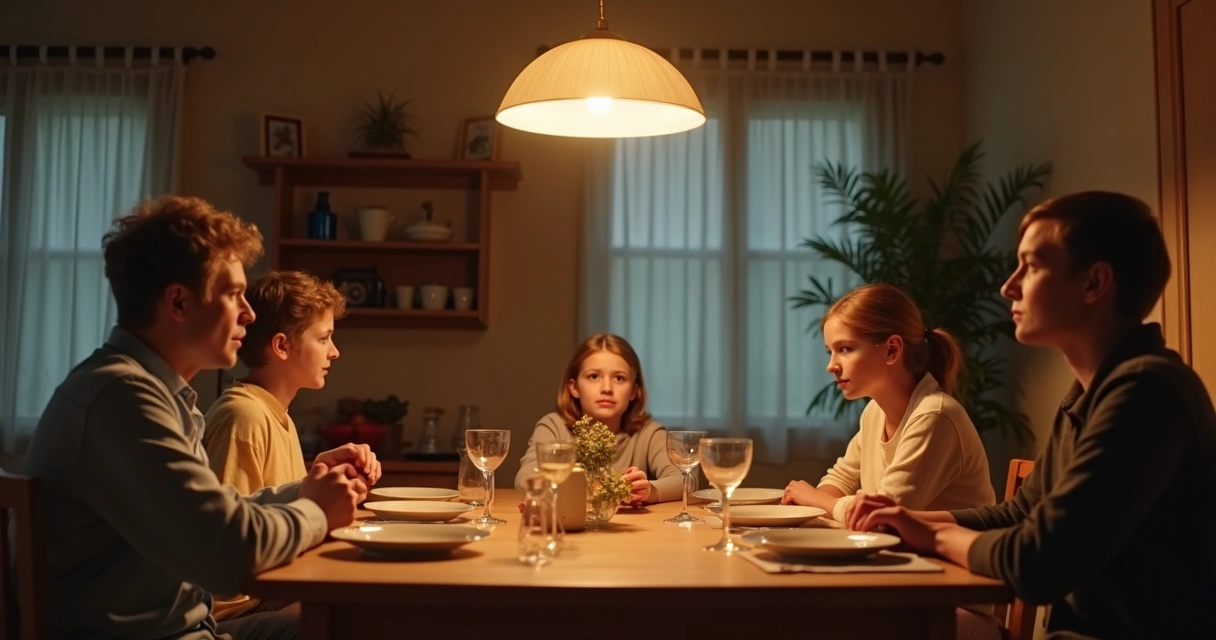
We have seen how a small repeated act can soften the emotional climate of a home. A parent asks the same evening question every night, “What stayed with you today?” At first, the teen shrugs. A week later, one sentence comes out. Then a real answer.
Safety grows through repetition.
Rituals do this because they lower surprise. The teen knows what comes next. There is less pressure to perform and more room to feel. That predictability supports trust, especially during years when identity feels unstable.
Reason 2: They support identity formation
Adolescents are trying to answer hard questions. Who am I? What do I value? Where do I belong? A conscious ritual helps them reflect instead of only react.
This can happen in many ways. Some families mark the start of each school year with a private conversation about intentions. Some keep a monthly ritual of naming one strength that grew and one habit that needs care. These moments help teens see themselves as becoming, not just coping.
Rituals give teenagers a mirror that is calmer than social pressure.
That matters. Outside the home, many mirrors are harsh, noisy, or shallow. A grounded ritual can say, without many words, “You are more than your latest mood, grade, mistake, or trend.”
Reason 3: They strengthen family bonds
Many people assume teens naturally pull away and that little can be done. We do not see it that way. Distance can happen, yes. But bond is still possible when contact has meaning.
Data supports this. Pew Research Center found shared family rituals among teens are linked with enjoyment and stronger family bonding. The same report noted that 59% of U.S. teens often or sometimes discuss religion with family, 48% take part in grace or blessings before meals, and 25% read scriptures together.
The point is broader than one tradition. Shared rituals create emotional memory. They tell a teen, “We return to each other.” That return builds connection over time.
- They make contact regular, not accidental.
- They create moments that are not only about correction.
- They help families share values in lived form.
When a teen feels seen in repeated ways, belonging becomes less abstract.
Reason 4: They improve self-regulation
Teens often feel things before they can name them. That is why ritual can help where lectures fail. A repeated practice teaches the body and mind to slow down together.
University of Utah Health explains that intentional rituals can reduce stress and improve focus. We find this easy to understand in daily life. A teen who pauses for two minutes of breathing before a test, a game, or a hard talk is not escaping emotion. They are learning to hold it.
Some useful regulating rituals are very small:
- Three slow breaths before leaving the car for school
- A short evening reset with music and journaling
- A pause before conflict, followed by one clear sentence each
These acts may look minor from the outside. Inside, they train steadiness.
Reason 5: They make transitions easier
Adolescent life is full of transitions. First day at a new school. Physical changes. New friendships. First heartbreak. Greater freedom. Greater consequence too.
Without ritual, these moments can pass in confusion. With ritual, they can be named and held. We think that naming is powerful. It tells the teen, “Something real is happening, and we are not going to ignore it.”
A simple rite of passage might include reflection, a meaningful object, a meal, and spoken words from trusted adults. Not dramatic. Just honest.
What is named can be integrated.
When families or communities mark transitions with care, adolescents are less likely to feel lost inside change.
Reason 6: They support psychological growth
Ritual is not only symbolic. It also has measurable effects on development. A study in the Journal of Family Psychology reported that adolescents who feel satisfied with family rituals show better psychosocial development and self-reliance.
This is not surprising to us. Rituals ask for participation, memory, presence, and reflection. Over time, these experiences help teens build inner order. They begin to recognize patterns in themselves. They also gain a stronger sense that their life has shape.
When a ritual carries meaning, it can support both autonomy and connection at the same time.
That balance is often hard in adolescence. Teens want independence, yet they still need grounding. Rituals can hold both needs without forcing either one.
Reason 7: They increase the chance of real enjoyment
Not every ritual feels deep in the moment. Some feel awkward at first. We have all seen that. A teen rolls their eyes, sits down anyway, and says almost nothing. Then weeks later, they ask if the ritual is still happening.
That small turn matters. It shows that repeated meaning can become lived value. Pew Research Center also found that many teens who join family religious activities enjoy them, with 27% enjoying them a lot and 51% enjoying them some. Greater enjoyment was linked with stronger family cohesion.
Enjoyment here is not entertainment. It is the quiet relief of knowing there is a place to return to. A place where one does not need to impress, defend, or hide.

Conclusion
Conscious rituals matter for adolescent growth because they give structure to emotion, shape to identity, and warmth to connection. They do not need to be rigid or formal. They need to be sincere, repeated, and alive with attention.
We believe many teens are not asking for bigger speeches. They are asking for steadier presence. A ritual can become that presence in action. Quiet, clear, and lasting.
Frequently asked questions
What are conscious rituals for adolescents?
Conscious rituals for adolescents are repeated actions with clear meaning and attention. They may include family meals with reflection, weekly check-ins, journaling moments, transition ceremonies, or calming practices before stressful events. The act is simple, but it is done on purpose.
Why do rituals help adolescent growth?
Rituals help adolescent growth because they create safety, support identity, strengthen bonds, and teach self-regulation. They also help teens process change in a more grounded way. Rituals turn repeated moments into emotional learning.
How to create meaningful rituals for teens?
We suggest starting small and staying consistent. Choose one moment that fits real life, such as a Sunday evening check-in or a short pause before school. Keep the ritual clear, respectful, and age-appropriate. Invite the teen to help shape it so the practice feels shared, not imposed.
Are conscious rituals worth doing with teens?
Yes, they are worth doing. Even when teens seem distant, repeated and respectful rituals can build trust over time. The value often appears slowly, through better conversation, calmer conflict, and a deeper sense of belonging.
What are examples of adolescent rituals?
Examples include a birthday reflection letter, a family gratitude circle once a week, a short breathing pause before exams, a monthly walk and talk with a parent, a school-year intention setting moment, or a ritual to mark milestones such as starting high school or finishing a major challenge.